
Call Us Now!
Serving Cooper City, FL
Fast, Clean, and Professional Stump Removal.
Stump Grinding Tips & Tree Care Insights
Contact Us
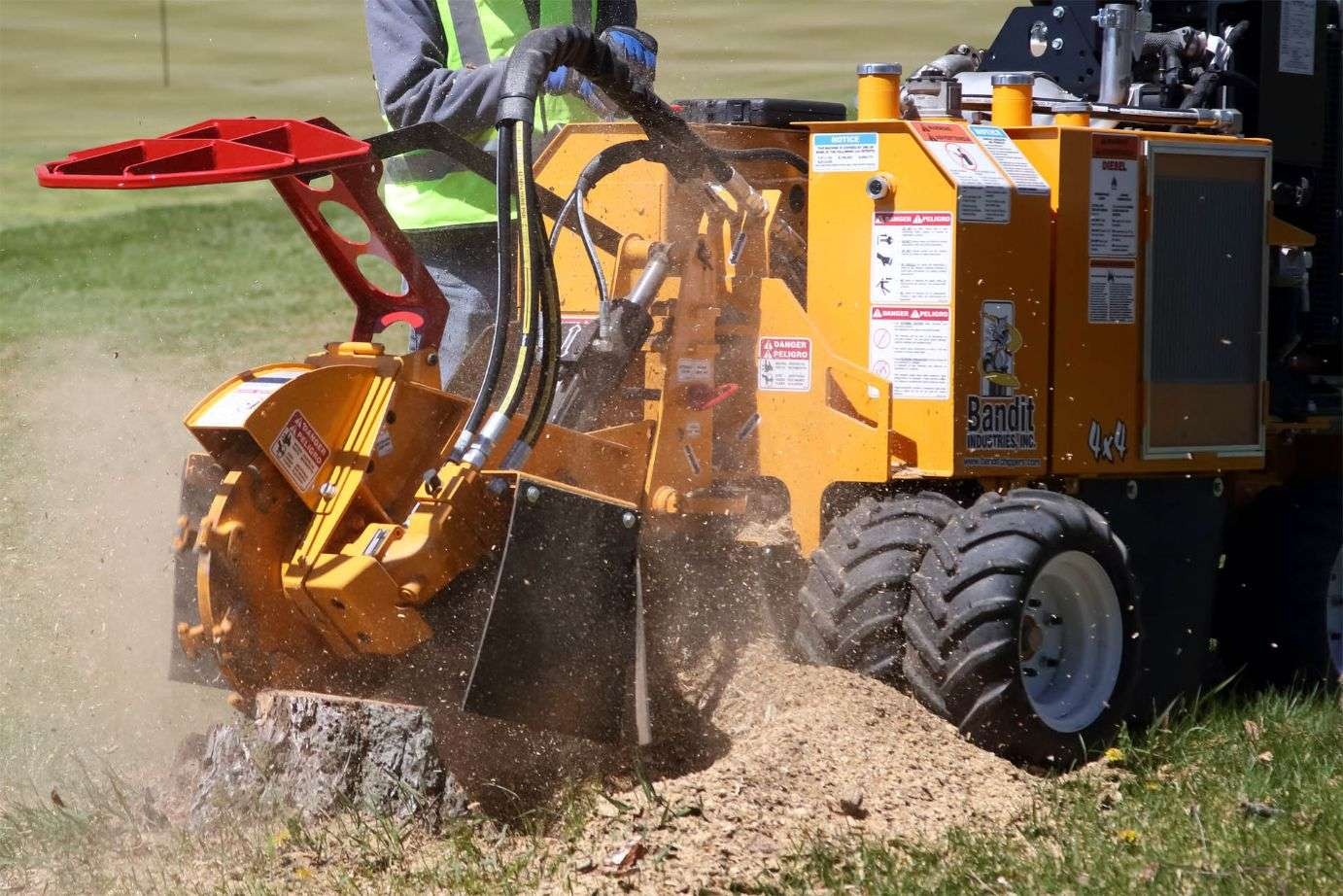
Does Insurance Cover Emergency Stump Grinding?
Introduction
After a storm or sudden tree failure, the stump left behind can feel like one more urgent problem to solve. It may be splintered, unstable, blocking access, or sitting in the middle of an area that needs immediate cleanup. At that point, many homeowners ask the same question: does insurance cover emergency stump grinding?
The frustrating answer is that sometimes it can, but not automatically. In most cases, coverage depends on why the stump is there, what damage the tree caused, and what your policy actually covers. Homeowners insurance is usually more likely to help when a tree falls because of a covered peril and damages an insured structure or blocks certain access points. If the stump is simply left behind in the yard and has not caused covered damage, emergency stump grinding is often treated as an out-of-pocket cost.
Insurance Usually Covers Damage First, Not Routine Stump Work
The most important thing to understand is that homeowners insurance is built around covered losses, not routine site improvement. That means the policy is generally focused on damage caused by a storm, wind, lightning, or another covered event, rather than automatically paying to clean up every remaining part of a tree.
Current insurer guidance is fairly consistent on this point. If a storm causes a tree to fall and it damages an insured structure, homeowners insurance may help cover tree removal and debris removal related to making repairs. If the tree falls without damaging a covered structure, coverage is much less likely.
That distinction matters for emergency stump grinding. A stump left after storm damage may feel urgent to the property owner, but the insurer may still ask whether it is part of covered damage or just leftover debris and site restoration.
When Insurance Is More Likely to Cover Emergency Stump Grinding
There are situations where stump-related emergency work may fall within covered tree or debris removal costs. The key issue is usually whether the event involved a covered peril and whether the tree caused covered damage.
The Tree Damaged an Insured Structure
If a tree falls during a storm and damages your house, garage, fence, or another insured structure, many homeowners policies may help cover removing the tree as part of the repair process. Some insurer guidance also notes limited dollar caps for debris removal, often around $500 to $1,000, depending on the policy.
In that kind of claim, emergency stump grinding may be more likely to be considered if it is necessary to complete safe removal and repair work.
The Tree Is Blocking a Driveway or Accessibility Ramp
Some insurer guidance says coverage may also apply if a storm-fallen tree is blocking a driveway or a handicap assistance ramp, even if it did not directly damage the house. That does not guarantee stump grinding will be approved, but it makes coverage more plausible than a simple yard cleanup situation.
The Loss Was Caused by a Covered Peril
Insurers are more likely to consider coverage when the tree fell because of something like strong winds, lightning, or another covered event. Progressive, for example, notes that homeowners insurance could help if the tree fell due to heavy storms, strong winds, or lightning, but likely not if negligence caused the loss.
When Insurance Usually Does Not Cover Emergency Stump Grinding
This is where many homeowners get caught off guard. Just because the stump is inconvenient or hazardous does not automatically mean it is covered.
Insurance is usually less likely to pay when:
The tree fell but did not damage an insured structure
The stump is just sitting in the yard as debris
The tree was dead, rotting, or poorly maintained and negligence is a factor
The work is preventive rather than tied to a covered loss
The request is really for cosmetic cleanup or yard restoration
Nationwide says a tree that was damaged by a storm but did not uproot and did not damage covered property may not be covered, and Farmers similarly says that if there is no damage to an insured structure, tree removal is generally not covered, even after a storm.
That same logic often applies to emergency stump grinding. If the urgent need is real from your perspective but not part of insured property damage, the insurer may still deny that portion of the claim.
Why Stump Grinding Can Fall Into a Gray Area
Emergency stump grinding sits in a gray area because it is not always the same as tree removal. In some cases, the insurer may cover removal of the fallen tree from a structure or access point, but not necessarily additional grinding work afterward.
That happens because stump grinding can look like one of two things depending on the claim:
Covered Debris Removal Related to Repairs
If grinding the remaining stump is necessary to safely complete removal or repair covered property damage, there is a stronger argument for coverage.
Separate Site Restoration
If the main emergency has already been handled and the stump grinding is more about clearing the yard, leveling the area, or improving usability, the insurer may view it as post-loss property improvement rather than covered emergency work.
This is why it is so important not to assume that “tree removal covered” automatically means “stump grinding covered.”
What to Ask Before You Approve the Work
If you are dealing with storm damage and think emergency stump grinding might be part of a claim, it helps to clarify the scope before the work is done. The more specific the situation, the easier it is to compare what the insurance company is actually willing to cover.
Before moving forward, ask:
Was the tree loss caused by a covered peril?
Did the tree damage an insured structure or block covered access?
Is the insurer covering only tree removal, or stump-related work too?
Does the policy have a debris-removal limit?
Will the adjuster need photos or an inspection before approval?
Allstate and State Farm both point to limits and conditions on tree/debris removal coverage, so getting the exact claim position first can prevent confusion later.
How to Document the Situation
If you think insurance might cover emergency stump grinding, documentation matters. Homeowners are usually in a much stronger position when they can show that the stump is tied directly to a covered event and not just a general cleanup request.
Helpful documentation often includes:
Photos of the storm damage
Photos showing damage to the house, fence, garage, driveway, or blocked access
A written explanation of why the stump work is urgent
An estimate that clearly separates emergency stump grinding from optional cleanup or cosmetic work
Any communication from the insurer or adjuster about scope approval
The clearer the connection between the stump work and the covered loss, the better your chances of getting a consistent answer.
What Homeowners Should Expect in Real Life
For many homeowners, the most realistic expectation is this: insurance may help in a narrow set of situations, but it often will not cover emergency stump grinding just because the stump is inconvenient or dangerous after a storm.
That does not mean you should delay action if the site is unsafe. It means you should be careful about assuming reimbursement before confirming the claim. In practice, many property owners end up paying for stump grinding themselves unless it is clearly tied to covered structural damage or a qualifying access blockage.
Frequently Asked Questions
Does insurance cover emergency stump grinding after a storm?
Sometimes, but usually only if the tree fell because of a covered peril and the loss involved damage to an insured structure or a qualifying blockage such as a driveway or accessibility ramp. If the stump is only leftover debris in the yard, coverage is much less likely.
Is stump grinding automatically included if tree removal is covered?
Not always. Insurance may cover removing the fallen tree from a house or other insured structure, but stump grinding can still be treated separately depending on whether it is necessary for covered repairs or just part of site restoration.
Will insurance cover emergency stump grinding if the tree did not hit the house?
Usually not, unless the policy covers a specific access blockage such as a driveway or similar situation. If the tree fell in the yard without damaging insured property, coverage is generally much less likely.
What if the tree was dead or poorly maintained?
Coverage may be denied if negligence is involved. Progressive and other insurers note that if the tree fell because of negligence rather than a covered peril, homeowners insurance will likely not pay.
How much tree removal coverage do policies usually provide?
Some insurer guidance says debris or tree removal coverage may be limited, often around $500 to $1,000, depending on the policy. The actual amount varies, so homeowners should confirm the limit with their insurer.
Get Help Fast if a Storm-Damaged Stump Needs Attention
If you are asking whether insurance covers emergency stump grinding, the safest answer is to check the claim details before assuming the work will be reimbursed. Coverage often depends on the cause of the loss, whether a covered structure was damaged, and whether the stump work is considered part of debris removal or separate cleanup.
Foundation Stump Grinding helps property owners in Cooper City, FL respond quickly when storm damage leaves behind hazardous stumps or difficult cleanup conditions. If you need emergency stump grinding and want a clear scope of work to discuss with your insurer, contact Foundation Stump Grinding for an estimate.

© 2026 All Rights Reserved | Foundation Stump Grinding
Website Done By: LocalEyes